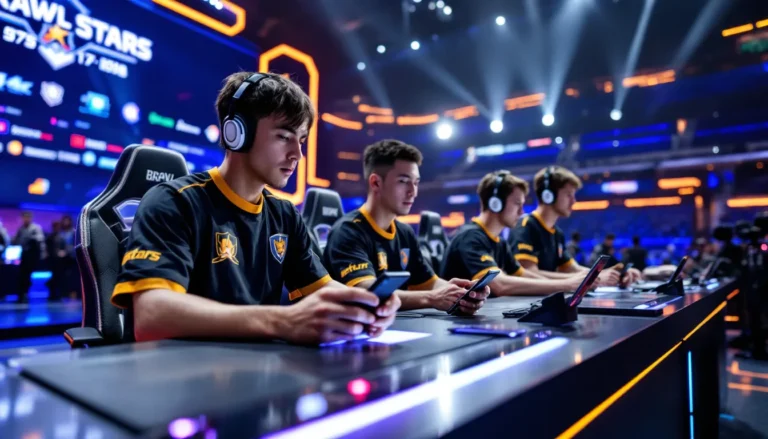


Five years ago, telling your parents you wanted to go to college to play video games might’ve earned you a lecture. Today? It could land you a full-ride scholarship, state-of-the-art training facilities, and a legitimate career path. Collegiate esports has exploded from a handful of club teams into a multi-million dollar industry with varsity programs, dedicated coaches, and real financial aid packages. Schools are investing heavily in gaming arenas, recruiting top-tier players, and building degree programs around esports management, broadcasting, and game development.
Whether you’re a high-ranked League player eyeing scholarship money, a streamer curious about shoutcasting degrees, or just someone who wants to turn their gaming obsession into a viable future, understanding the college esports landscape is essential. The opportunities are real, but so is the competition. Here’s everything you need to know about esports college in 2026, from scholarship amounts and application strategies to what daily life looks like as a varsity player balancing scrims with midterms.
Key Takeaways
- Over 200 colleges now offer structured esports college programs with varsity teams, coaching staff, and competitive seasons, with scholarships ranging from $4,500 annually on average to $50,000+ for elite players in high-demand titles.
- Top-tier esports college programs at schools like UC Irvine, Maryville University, and Ohio State feature state-of-the-art gaming facilities with 240Hz+ monitors, dedicated broadcast studios, and professional-grade equipment comparable to esports organizations.
- Qualifying for esports college scholarships requires Diamond+ rank or higher in competitive games, organized team experience, a minimum 2.5 GPA, positive reputation in the gaming community, and demonstrated coachability beyond raw mechanical skill.
- Varsity esports athletes typically commit 15-20 hours per week to structured practice, scrims, and VOD review while maintaining full-time student status and academic eligibility requirements alongside tournament travel.
- Beyond competitive play, esports college degree programs in management, game design, broadcasting, and media production create diverse career paths earning $40,000+ for entry-level positions and $80,000-$100,000+ for experienced industry roles.
- League of Legends, Valorant, and Rocket League dominate collegiate esports scholarships and roster spots, while other titles like Super Smash Bros. and Counter-Strike 2 have limited varsity support compared to club-level presence.
What Is Esports College and How Does It Work?
The Rise of Collegiate Esports Programs
Collegiate esports isn’t just students playing games in dorm rooms anymore. Over 200 colleges and universities now offer structured esports programs, complete with coaching staff, practice schedules, and competitive seasons. The National Association of Collegiate Esports (NACE) oversees varsity-level competition, while organizations like ECAC and NJCAA also host tournaments across different divisions.
The growth has been staggering. Back in 2018, fewer than 50 schools had varsity programs. By 2026, that number has quadrupled, with schools like UC Irvine, Ohio State, and Maryville University leading the charge. They’re not just adding gaming PCs to the library, they’re building dedicated esports arenas with broadcast studios, team lounges, and coaching offices. The legitimacy is there, and so is the money.
What separates college esports from casual gaming is structure. Varsity programs operate like traditional sports: tryouts, roster limits, practice hours, travel to LANs, and academic eligibility requirements. Players represent their school in official competitions, often with scholarships covering tuition, housing, or equipment.
Varsity Esports vs. Club Teams: Understanding the Difference
Not all college gaming is created equal. Varsity esports teams are school-sanctioned, coach-led, and scholarship-eligible. They compete in official leagues, have dedicated practice facilities, and fall under athletic or academic departments. Think of them as NCAA equivalents for gaming.
Club teams, on the other hand, are student-run organizations. They still compete in tournaments and scrims, but they’re funded through student activity budgets rather than athletic scholarships. Club teams offer more flexibility, anyone can join, practice schedules are looser, and the pressure is lower. But they don’t come with financial aid or the same level of institutional support.
Some schools offer both. You might have a varsity League of Legends roster competing at NACE championships while a club Valorant team runs casual tournaments on weekends. If you’re chasing scholarship money or career networking, varsity is the path. If you want to game competitively without the commitment, clubs are solid.
The distinction matters when you’re applying. Varsity programs recruit actively, hold tryouts, and expect a time commitment comparable to traditional sports, 15 to 20 hours per week is common. Club teams usually accept walk-ons and don’t require the same rank or skill floor.
Top Esports Scholarships and Financial Opportunities
How Much Are Esports Scholarships Worth?
Esports scholarships range wildly depending on the school, your skill level, and the game you play. At the high end, schools like Maryville University and Boise State have offered full-ride scholarships covering tuition, room, board, and even gear, upwards of $50,000 per year. Mid-tier programs might offer partial scholarships in the $5,000 to $15,000 range, while smaller schools provide stipends for equipment or travel.
According to NACE, the average esports scholarship in 2026 sits around $4,500 annually, but elite players in high-demand titles like League of Legends, Valorant, and Rocket League can negotiate significantly more. Some programs also offer performance bonuses, placing top three at a major LAN might unlock additional funding for the next semester.
It’s not just tuition. Some schools cover peripherals (mice, keyboards, headsets), travel costs for tournaments, and even streaming equipment if you’re creating content for the program. A few universities have partnered with sponsors like Raider or Logitech to supply gear directly to scholarship athletes.
Keep in mind that esports scholarships are renewable, not guaranteed. Most programs require you to maintain academic eligibility (usually a 2.5+ GPA), attend practices, and stay on the active roster. Miss too many scrims or let your grades slip, and you could lose funding.
How to Qualify for an Esports Scholarship
Getting an esports scholarship isn’t as simple as being good at a game, you need to prove it, market yourself, and meet academic requirements. Here’s what coaches look for:
- Rank and competitive history: If you’re applying for a League team, being Diamond+ or having tournament placements helps. For Rocket League, hitting Champion or above is usually the baseline. Coaches want proof you can compete at a high level.
- Team experience: Solo queue skill matters, but so does your ability to work in a team environment. Highlight any organized team play, scrims, or leagues you’ve participated in.
- Academic standing: Most schools require a minimum GPA (2.5 to 3.0) and SAT/ACT scores for admission. Esports scholarships don’t bypass academic requirements, you still need to qualify for the school itself.
- Positive attitude and coachability: Toxic players get filtered out fast. Coaches review VODs, but they also ask around in the community. Reputation matters.
- Content creation or leadership: Some programs value players who stream, create highlight reels, or have captained teams. It shows maturity and marketing potential.
Most schools post tryout dates or recruitment windows on their esports program websites. Some use platforms like GGLeagues or CSL for scouting. If you’re serious, start building your portfolio early, highlight reels, match history screenshots, and a short bio go a long way.
Best Colleges for Esports in 2026
Top Universities with Varsity Esports Programs
When it comes to finding the best esports colleges, you want programs with proven track records, competitive rosters, strong coaching, and real financial backing. Here are the standout schools dominating the scene in 2026:
UC Irvine remains the gold standard. Their League of Legends team has won multiple collegiate championships, and their $250,000 esports arena features dedicated streaming studios and analyst desks. UCI also offers scholarships across multiple titles and integrates esports with their computer science and game design departments.
Maryville University in St. Louis is another powerhouse. They’ve invested heavily in colleges with esports teams, offering full-ride scholarships and fielding championship-winning teams in League, Overwatch, and Rocket League. Their esports program is embedded in the athletic department, giving players access to nutritionists, sports psychologists, and strength coaches.
Ohio State University entered the scene hard in 2022 and quickly became a top-tier competitor. Their varsity program competes across 10+ titles, and they’ve built a 5,500-square-foot esports facility. OSU’s academic reputation also opens doors for students pursuing tech or business degrees alongside competitive play.
Boise State University offers one of the most generous scholarship packages in the country, with some players receiving $20,000+ annually. Their Overwatch and Valorant rosters are consistently ranked nationally, and they’ve partnered with local tech companies for internship pipelines.
Harrisburg University is smaller but punchy. They won the first-ever collegiate Overwatch championship and have since expanded into Valorant and Rocket League. Their esports management degree is one of the most comprehensive in the U.S., blending business courses with hands-on tournament production.
Other notable mentions: Miami University (Ohio), University of Utah, Northwood University, and Robert Morris University. Each brings something different, whether it’s facility quality, scholarship amounts, or degree program depth.
Colleges with State-of-the-Art Gaming Facilities
Facilities matter. A school can have a varsity team, but if you’re practicing in a basement with 60Hz monitors and folding chairs, you’re not getting the full experience. The best programs invest in infrastructure that rivals professional team houses.
UC Irvine’s esports arena features 80 high-end gaming PCs, 240Hz monitors, Herman Miller chairs, and a dedicated broadcast studio for live-streaming matches. Players also get access to private practice rooms for scrims and VOD review.
Maryville’s esports facility includes a player lounge, streaming setup, and even a content creation lab where students produce highlight reels and social media content. Their partnership with Alienware means top-tier hardware refreshes every two years.
Ohio State’s Schottenstein Center houses their esports program alongside traditional athletic teams, signaling how seriously the university treats competitive gaming. Players get individualized workstations, and the arena hosts public viewing parties for major tournaments.
Harrisburg University’s HU Esports Village isn’t just a practice space, it’s a hub for their esports management students to run events, book talent, and manage broadcasts. The facility doubles as a teaching lab, giving students real-world production experience.
If you’re touring schools, ask to see the facilities. Check monitor refresh rates, chair quality, internet speeds (fiber is standard at top programs), and whether there’s dedicated space for each team or if you’re sharing with general student gaming.
Esports Degree Programs: Majors and Career Paths
Esports Management and Business Degrees
Playing competitively is one thing, but building a career in the esports industry often requires business acumen. Esports management degrees teach you how to run teams, organize tournaments, negotiate sponsorships, and manage talent. Programs cover marketing, event production, finance, contract law, and brand strategy, all tailored to the gaming industry.
Becker College (Massachusetts) was one of the first to offer a dedicated esports management bachelor’s degree. Students work directly with the varsity teams, handling logistics, social media, and sponsor outreach. The curriculum blends traditional sports management with gaming-specific modules like content strategy and influencer partnerships.
Ohio University’s esports program offers a specialization within their sports management degree, focusing on tournament operations and team economics. Students get hands-on experience running collegiate events and internships with organizations like ESL and top esports teams that compete globally.
University of Utah’s entertainment arts and engineering program includes esports business tracks, preparing students for roles in publishing, team management, and league operations. Graduates have gone on to work for Riot Games, Activision Blizzard, and major LAN organizers.
Career paths include:
- Team manager or general manager
- Tournament organizer or league operations coordinator
- Sponsorship and partnership manager
- Esports marketing and social media strategist
- Talent agent or player representative
Salaries vary, but entry-level positions in team management or event coordination start around $40,000 to $50,000, with experienced GMs and league directors earning $80,000+.
Game Design and Development Programs
If you’re more interested in creating games than competing in them, game design and development degrees offer a technical path into the industry. These programs teach programming, 3D modeling, level design, narrative development, and user experience, all critical skills for studios, indie devs, or modding communities.
USC’s Interactive Media & Games Division is one of the most prestigious programs in the country. Students build full games as capstone projects, and many graduates land positions at major studios like Naughty Dog, Riot, and Epic Games.
DigiPen Institute of Technology in Washington is laser-focused on game development. Their curriculum is intense, think computer science meets art design, but alumni have worked on titles like Portal, Halo, and League of Legends.
Rochester Institute of Technology (RIT) offers a game design and development major with a strong emphasis on collaborative projects. Students work in teams to simulate studio environments, learning version control, agile development, and asset pipelines.
Savannah College of Art and Design (SCAD) blends art and tech, making it ideal for students interested in character design, animation, or environmental art for games. Their partnerships with studios provide direct internship placements.
Career paths include:
- Game programmer or engineer
- Level designer or systems designer
- 3D artist or character modeler
- Narrative designer or quest writer
- QA tester (entry-level, often leading to design roles)
Entry-level dev salaries typically start around $55,000 to $70,000, with senior designers and engineers pulling six figures at major studios.
Broadcasting, Shoutcasting, and Media Production Paths
Not everyone wants to be in-game. The rise of esports has created massive demand for broadcasters, analysts, shoutcasters, and video producers. If you’ve got a voice for commentary or a knack for storytelling, media production degrees tailored to gaming can get you there.
Full Sail University in Florida offers a media communications degree with esports production specializations. Students learn camera operation, live directing, audio engineering, and graphic overlays, everything needed to produce professional broadcasts. Several graduates have worked on productions for Dot Esports and other major outlets.
Syracuse University’s Newhouse School has integrated esports into their broadcast journalism program. Students cover collegiate tournaments, create highlight packages, and practice play-by-play commentary for live matches.
Columbia College Chicago offers a game design program with a broadcasting track, where students learn to produce content for Twitch, YouTube, and traditional networks. The program includes internships with esports orgs and streaming platforms.
Career paths include:
- Shoutcaster or play-by-play commentator
- Esports analyst or color commentator
- Broadcast producer or live director
- Video editor or content creator
- Social media manager or community coordinator
Freelance casters can earn $500 to $2,000 per event depending on the tournament tier, while full-time broadcast producers at major leagues earn $50,000 to $90,000 annually. Top-tier talent like those casting League of Legends events can command significantly higher rates.
Popular Games and Titles in College Esports
Not all games have equal footing in the collegiate esports scene. Some titles dominate rosters and scholarship budgets, while others exist primarily in club-level play. Knowing which games schools prioritize helps you target the right programs.
League of Legends is the undisputed king of college esports. Nearly every varsity program fields a League team, and NACE runs a full competitive circuit with regular season play, playoffs, and a national championship. The game’s depth, teamwork requirements, and established esports ecosystem make it a natural fit for collegiate competition. If you’re a Diamond+ player with team experience, League scholarships are your best bet.
Valorant has surged in popularity since its release and now rivals League in collegiate support. Schools love Valorant because it’s accessible, spectator-friendly, and Riot’s collegiate infrastructure is solid. Immortal+ players with tac FPS experience get recruited heavily.
Rocket League rounds out the top three. Its quick match times, cross-platform support, and highlight-reel moments make it perfect for collegiate formats. Champion-ranked players with tournament experience are in demand, and schools like Boise State and Maryville offer significant scholarships for Rocket League talent.
Overwatch had a huge collegiate presence from 2017 to 2022, but Overwatch 2’s rocky launch and shifting meta have cooled some programs. That said, top schools like Harrisburg and UC Irvine still field competitive OW2 rosters.
Super Smash Bros. Ultimate and Melee have strong grassroots followings at the club level, though varsity programs are rarer. A handful of schools offer scholarships for top Smash players, but competition is fierce and roster spots are limited.
Counter-Strike 2 (formerly CS:GO) maintains a presence, especially at schools with established FPS programs. The game’s longevity and competitive depth appeal to traditionalist coaches, though Valorant has siphoned some talent.
Fortnite, Call of Duty, and Apex Legends exist mostly in club play or smaller tournaments. While Dexerto covers these titles heavily in the competitive scene, few schools offer varsity rosters or scholarships. If you’re a top-tier Fortnite player, you’re better off pursuing content creation or open tournaments than banking on a college scholarship.
Hearthstone, CSGO, Rainbow Six Siege, and Dota 2 have niche followings but limited varsity support in 2026. Club teams still compete, but don’t expect scholarship money unless you’re at a program with deep pockets and diverse rosters.
How to Apply and Get Recruited for College Esports
Building Your Esports Resume and Highlight Reel
Think of your esports resume like a traditional athlete’s recruiting profile, it needs stats, highlights, and proof of skill. Here’s what to include:
In-game stats and rank: Screenshot your current rank, peak rank, and any notable achievements (tournament placements, ladder finishes, MVP awards). If you play League, include op.gg or Mobalytics profiles. For Valorant, link your Tracker.gg. Make it easy for coaches to verify your skill level.
Competitive history: List every team you’ve played for, leagues you’ve competed in (CSL, ESEA, FACEIT, GGLeagues), and your placements. Even if you didn’t win, showing consistent participation in organized play demonstrates commitment.
Role and champion/agent pool: Specify your main role and top three to five champions or agents. Coaches need to know if you’re a flex player or a one-trick. Versatility is valued, but mastery of a specific role is often more important.
Highlight reel: This is your tape. Record 3-5 minutes of your best plays, clutches, clean teamfights, shotcalling moments, or high-skill mechanical outplays. Don’t pad it with filler. Quality over quantity. Upload to YouTube or a private link and keep it updated.
Academic info: Include your GPA, test scores (if applicable), and intended major. Coaches need to know you’ll meet academic eligibility.
References or vouches: If you’ve played under a coach or captain who can vouch for your attitude and teamwork, list them. Toxic players get blacklisted fast.
Some schools provide recruitment forms on their esports program websites. Fill them out completely and attach your resume and reel.
Contacting Coaches and Navigating Tryouts
Don’t wait for coaches to find you, reach out directly. Most varsity programs list coaching staff emails or Discord servers on their athletics or esports pages. Send a concise, professional message:
“Hi Coach [Name], I’m a [rank] [role] player with [X tournament experience]. I’m interested in [School]’s esports program and [intended major]. Here’s my highlight reel and resume: [links]. I’d love to discuss tryout opportunities. Thanks, [Your Name].”
Keep it short. Coaches get dozens of these. Link your materials and make it easy to assess you quickly.
Tryouts vary by school. Some hold open tryouts during summer or early fall semester. Others scout players throughout the year and invite top prospects to closed tryouts. Expect:
- Scrims or 5v5s: You’ll play with and against other tryout candidates. Coaches watch mechanics, communication, positioning, and attitude.
- VOD review sessions: Some programs review your gameplay live, asking you to explain decisions. Be ready to talk through your thought process.
- Interviews: Coaches assess fit, maturity, and coachability. They’ll ask about your availability, academic goals, and how you handle tilt or conflict.
If you make the roster, you’ll receive an offer letter detailing scholarship amounts, practice expectations, and academic requirements. Read it carefully and ask questions about renewal criteria.
Don’t get discouraged if you don’t make a varsity roster immediately. Join the club team, grind your rank, and try again next semester. Rosters turn over, and players graduate or transfer.
Life as a College Esports Athlete: What to Expect
Balancing Academics, Practice, and Tournaments
Being a varsity esports athlete isn’t just grinding solo queue whenever you feel like it. Most programs require 15 to 20 hours per week of structured practice, including team scrims, VOD review, strategy sessions, and individual skill work. Add in classes, assignments, and tournament travel, and your schedule fills up fast.
Typical weekly breakdown:
- Scrims: 10-12 hours (usually evenings, 6-10 PM)
- VOD review and strategy meetings: 2-4 hours
- Individual practice or solo queue: 3-5 hours
- Tournament matches: Variable, can add 5-10 hours during LAN weekends
On top of that, you’re still a student. Most programs require a minimum GPA to stay scholarship-eligible, and some schools mandate study hall hours for athletes below a certain academic threshold. Time management is critical. Players who can’t balance both usually lose their spot or burn out.
Travel is part of the deal. Larger tournaments often require flights or overnight bus trips. Missing Friday classes for a LAN weekend happens, and professors aren’t always sympathetic. Communicate early, stay on top of assignments, and don’t assume your esports commitment will excuse late work.
Some schools provide academic support, tutors, priority registration, or advisors who understand the demands of competitive gaming. Take advantage of those resources. Players who treat college esports like a full-time job without planning for academics wash out quickly.
Career Opportunities After College Esports
So what happens when you graduate? Only a tiny fraction of collegiate players go pro, but that doesn’t mean your esports career ends. The industry is massive, and the skills you build, teamwork, communication, strategic thinking, content creation, translate to a wide range of careers.
Going pro: If you’re cracked and networking with the right people, semi-pro or academy team contracts are possible. Most pros come from solo queue or grassroots teams, but collegiate programs offer exposure and coaching that can accelerate development. Organizations exploring how esports teams make money often scout collegiate talent for budget-friendly academy rosters.
Content creation and streaming: Many college players build Twitch or YouTube channels during their time on varsity teams. Schools often provide streaming setups, and playing under a university brand gives you built-in content. Some players transition into full-time streaming post-graduation.
Coaching and analysis: If you’ve got the game knowledge and communication skills, collegiate or semi-pro coaching is a viable path. Former players often coach their alma mater’s teams or join grassroots orgs.
Esports industry roles: Tournament organizers, team managers, broadcast producers, social media coordinators, and sponsorship managers all need people who understand gaming culture and competitive ecosystems. Your degree matters here, esports management, marketing, or media production degrees open more doors than a generic liberal arts major.
Traditional careers with transferable skills: Employers increasingly value teamwork, communication, and high-pressure performance. Listing varsity esports on your resume demonstrates commitment, leadership, and niche expertise. Tech companies, marketing agencies, and startups often view esports experience positively.
The reality? Most college esports players won’t become the next Faker or s1mple. But if you use your four years to build skills, network, and explore adjacent careers, you’ll walk away with options. Competitive gaming might end, but the industry you’re part of is just getting started.
Conclusion
Esports college in 2026 is no longer experimental, it’s established. Schools are investing millions into facilities, scholarships, and degree programs, creating real pathways for competitive gamers. Whether you’re chasing a full-ride to play League at UCI, studying esports management at Harrisburg, or learning broadcast production while casting Valorant matches, the opportunities are tangible.
But don’t mistake opportunity for ease. The competition is fierce, the time commitment is real, and the scholarship money isn’t handed out to everyone who can hit Diamond. You need rank, tournament experience, academic standing, and the maturity to handle a packed schedule. Schools want players who can perform under pressure, communicate effectively, and represent their program professionally.
If you’re serious, start building your resume now. Grind your rank, join organized teams, record highlights, and research programs that fit your goals. Reach out to coaches, tour facilities if you can, and don’t sleep on club teams as a stepping stone. The esports industry is growing faster than most traditional sports, and college programs are the talent pipeline feeding that growth.
The question isn’t whether esports college is legitimate, it is. The question is whether you’re ready to compete for a spot.