
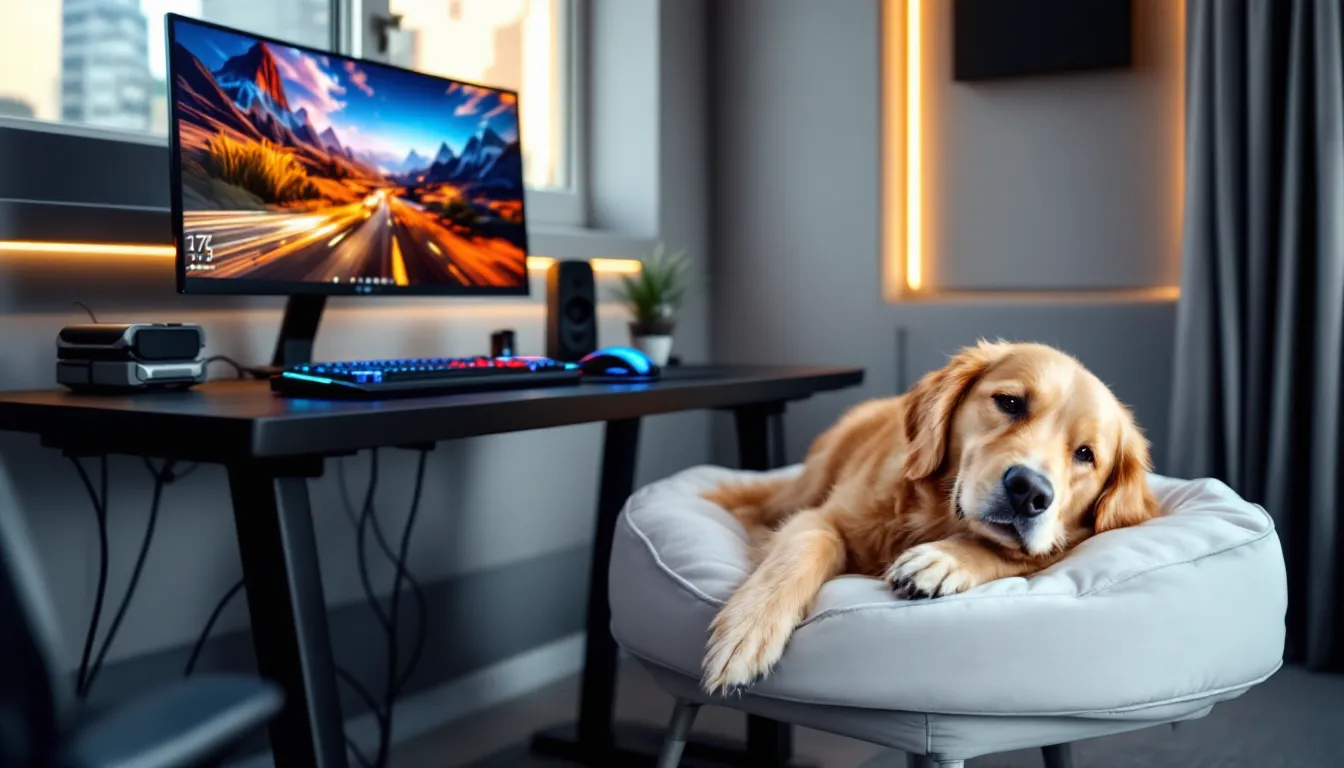

The intersection of gaming and pet ownership has evolved into something unexpected: a thriving subculture where dogs aren’t just passive observers but active participants in the streaming and gaming lifestyle. Whether you’re scrolling through Twitch and spotting a golden retriever snoozing in the background or watching a content creator whose Corgi has more followers than most small streamers, it’s clear that gaming dogs have carved out their own niche in 2026’s gaming landscape.
But what exactly makes a dog a “gaming dog”? Is it simply about having a pet in the room while you grind ranked matches, or does it go deeper into training, setup optimization, and even brand building? This guide breaks down everything from the historical presence of dogs in gaming culture to practical advice on managing your canine companion during marathon streaming sessions. Whether you’re a casual player considering adopting a pup or a content creator looking to integrate your furry friend into your channel, you’ll find actionable insights here.
Key Takeaways
- Gaming dogs have become active participants in streaming culture, with some developing their own fan bases and brand identities alongside their owners’ gaming content.
- Calm breeds like Basset Hounds and Cavalier King Charles Spaniels suit competitive gaming, while energetic breeds like Corgis and Golden Retrievers thrive in high-energy streaming environments.
- Proper setup optimization—including cable management, acoustic treatment, and spatial planning—is essential for creating a dog-friendly gaming space that works on camera.
- Desensitization training and scheduled exercise before gaming sessions are proven methods to minimize barking and maintain stream quality during live broadcasts.
- Gaming dogs generate multiple monetization opportunities including affiliate links, sponsorships, merchandise, and exclusive Patreon content that can supplement streaming income.
- Balancing your dog’s exercise, mental stimulation, and health needs with your gaming schedule prevents stress-related behavioral issues and supports long-term wellness.
What Is a Gaming Dog? Understanding the Phenomenon
A gaming dog refers to a canine companion that coexists within a gamer’s lifestyle, whether that means lounging nearby during sessions, appearing on streams and videos, or even becoming part of a creator’s brand identity. It’s not a specific breed or trained behavior, it’s more about the relationship between the pet and the gaming environment.
The term has gained traction as streaming culture exploded. Dogs that appear regularly on camera develop their own fan bases, with viewers tuning in as much for the pet as for the gameplay. Some gaming dogs are calm presences that add coziness to a stream aesthetic. Others are energetic personalities that create spontaneous, meme-worthy moments.
What separates a gaming dog from any other pet is adaptability. These dogs tolerate extended periods of their owner being focused on screens, handle the noise from mechanical keyboards and voice chat, and often adjust their sleep schedules to match late-night gaming marathons. They’re essentially roommates who’ve adapted to a digital-first lifestyle.
The phenomenon also extends beyond just streamers. Casual gamers who spend evenings in Discord calls or grinding through story campaigns often find their dogs become part of the ritual, whether that’s a Lab resting their head on your lap during cutscenes or a Terrier who’s learned that the startup sound of a console means it’s nap time.
The Rise of Dogs in Gaming Culture
Iconic Gaming Dogs Throughout Video Game History
Dogs have been gaming staples since the 8-bit era. Duck Hunt’s laughing dog from 1984 might be the most infamous, equal parts helpful and infuriating. Fast forward to the PS2 generation, and you’ve got Amaterasu from Okami (2006), a celestial wolf deity whose brush-based gameplay mechanics made her one of the most unique protagonists in action-adventure history.
The Xbox 360 era brought Riley from Call of Duty: Ghosts (2013), a German Shepherd who could be controlled in specific missions and showcased how dogs could enhance military shooter narratives. Meanwhile, D-Dog from Metal Gear Solid V: The Phantom Pain (2015) became a tactical asset with his ability to mark enemies and equipment, proving canine companions could have genuine gameplay utility beyond emotional appeal.
More recently, games like The Last of Us Part II (2020) featured dogs as both allies and threats, adding moral complexity to combat encounters. Players had to decide whether to engage with enemy dogs, a mechanic that sparked debate about emotional manipulation in game design. Ghost of Tsushima (2020) included fox companions that guided players to hidden shrines, blending cultural mythology with exploration mechanics.
In 2025, Goodbye Volcano High featured a brief but memorable canine NPC that resonated with fans, while indie darling Venba included a street dog that became a comfort character in the narrative. The variety shows dogs occupy every gaming genre, from combat partners to narrative touchstones.
Dogs as Streaming and Content Creation Companions
The streaming boom from 2018 onward transformed pets into content assets. Dogs started appearing in webcam frames, becoming regulars that audiences recognized and requested. Some streamers built entire segments around their dogs, treat times, walk breaks, or “pup cams” that switched focus during queue times.
Platforms like Twitch added pet emotes, and Discord servers created dedicated channels for sharing gaming dog photos. The parasocial relationship between viewers and streamers extended to their pets, with communities rallying around birthdays, vet visits, or adoption stories. This created a softer, more relatable side to content creators who might otherwise be known for competitive intensity or high-skill gameplay.
By 2023, several gaming setup tutorials began including sections on pet-friendly streaming environments, acknowledging that managing a dog on camera was now part of the content creation toolkit. Creators learned to position beds in frame, manage lighting so dogs weren’t backlit into shadows, and even train their pets to respond to stream alerts without barking.
The trend hit critical mass when major esports organizations started featuring players’ dogs in behind-the-scenes content. Team houses included pet care in their operations, and some teams even hired handlers for events where players brought their dogs for emotional support during tournament weeks.
Most Popular Gaming Dog Breeds Among Gamers
Calm and Quiet Breeds for Focused Gaming Sessions
If you’re grinding ranked or streaming competitive shooters, you need a dog that won’t bark during clutch moments. Basset Hounds are notorious couch potatoes with low energy and minimal vocalization, they’ll sleep through an entire 8-hour stream without protest. Their droopy aesthetic also translates well on camera for those pursuing a cozy stream vibe.
Cavalier King Charles Spaniels combine calm temperament with moderate size, making them ideal for smaller gaming spaces. They’re content to sit on laps or in nearby beds for hours, rarely demanding attention mid-session. Their adaptability to indoor environments means they won’t get restless during extended gaming marathons.
Greyhounds surprise many people, even though being racing dogs, they’re incredibly lazy indoors. Adopting retired racers has become popular among gamers because they require minimal exercise (one good run daily) and spend the rest of the time sleeping. They’re also typically quiet and non-destructive.
Shiba Inus get mixed reviews in gaming communities. They’re independent enough to entertain themselves and aren’t typically barkers, but their stubborn nature means training takes patience. But, their fox-like appearance and meme potential (thanks to Doge) make them camera gold for content creators.
Energetic Breeds That Match High-Energy Streamers
High-energy creators who build their brand on enthusiasm and interaction often prefer dogs that match that vibe. Corgis dominate this category, short enough to navigate gaming spaces without knocking equipment, energetic enough to create entertaining stream moments, and incredibly photogenic. Their herding instincts mean they often “patrol” during streams, creating natural movement in frame.
Border Collies appear frequently in gaming households where owners maintain active lifestyles outside their gaming time. These dogs need serious exercise, but if that’s managed, they’re incredibly smart and trainable. Some streamers have taught their Border Collies to respond to chat commands or perform tricks during breaks.
Golden Retrievers remain universally popular across gaming demographics. They’re social, trainable, and their size makes them a commanding presence on camera without being aggressive. Many gaming news outlets have featured stories about streamers whose Goldens became unofficial channel mascots, with dedicated fan art and merchandise.
French Bulldogs fit a different niche, moderate energy with high personality. They’re vocal but not constant barkers, and their expressive faces create natural reaction content. But, their health issues (breathing problems, heat sensitivity) require careful setup management, especially in rooms with multiple PCs generating heat.
How to Train Your Dog for a Gaming Environment
Creating a Dog-Friendly Gaming Setup
Your battlestation needs adjustments when a dog enters the equation. Start with cable management, dangling cables are chew risks and tripping hazards. Use cable raceways along walls and secure power strips off the floor. If you’ve got an energetic puppy, consider wireless peripherals during the training phase to minimize cable temptation.
Spatial planning matters more than most gamers realize. Position your dog’s bed within your peripheral vision but outside the main traffic path to your desk. This prevents you from tripping during intense moments while keeping your dog in frame if you’re streaming. Some setups include raised platforms or pet stairs that give dogs camera access without jumping on desks.
Acoustic treatment serves double duty. Foam panels that reduce echo for better microphone quality also dampen outside noises that might trigger barking. If your dog reacts to delivery drivers or street sounds, strategic soundproofing around windows in your gaming space can prevent mid-stream disruptions.
Consider temperature control carefully. Gaming PCs generate significant heat, and some breeds (Bulldogs, Pugs, Huskies) are temperature-sensitive. A small fan directed at your dog’s bed or a cooling mat can prevent overheating during summer sessions. Conversely, drafty setups with AC vents directly overhead might make short-haired breeds uncomfortable.
Lighting setup should account for pets on camera. Ring lights positioned too low can shine directly into a dog’s eyes, causing discomfort. Indirect lighting from behind the monitor or elevated softboxes keeps your face well-lit without bothering a dog sleeping in frame.
Managing Barking and Interruptions During Streams
Barking during streams isn’t just annoying, it can break immersion for viewers and ruin audio quality. Start with desensitization training before you even go live. Play recordings of common triggers (doorbells, car horns, other dogs) at low volume while gaming, gradually increasing volume as your dog learns to ignore them. Reward calm behavior with treats during these sessions.
Scheduled exercise before gaming sessions is non-negotiable. A tired dog is a quiet dog. If you stream in the evening, a 30-45 minute walk or play session beforehand significantly reduces restlessness and attention-seeking behavior. Some streamers maintain consistent schedules (walk at 6 PM, stream at 7 PM) so their dogs anticipate the routine.
For persistent barkers, positive interrupt training works better than punishment. Teach a “quiet” command using high-value treats, then practice during low-stakes gaming sessions before attempting competitive matches or live streams. The goal is building a conditioned response where silence earns rewards.
Enrichment activities keep dogs occupied during long streams. Frozen Kong toys stuffed with peanut butter can occupy a dog for 20-30 minutes. Puzzle feeders or lick mats provide mental stimulation without noise. Rotate toys weekly to maintain novelty and interest.
If barking happens mid-stream, have a recovery plan. Some streamers embrace it with humor (“that’s Bentley telling me my positioning sucked”), while others use push-to-talk microphones and temporarily mute during interruptions. The key is consistency, audiences accept dogs as part of the experience if you don’t treat every bark as a catastrophe.
Best Video Games Featuring Dogs as Main Characters
Action and Adventure Games with Canine Heroes
Okami HD (available on PC, PS4, Xbox One, Switch) remains the gold standard for playing as a dog-adjacent protagonist. Amaterasu’s celestial brush mechanics create a unique gameplay loop where combat and puzzle-solving blend with Japanese folklore. The 2024 remaster added 4K textures and improved load times, making it the definitive version for newcomers.
Ghost of Tsushima Director’s Cut (PS5, PC as of late 2025) doesn’t let you play as a dog, but fox companions guide exploration and the game features several emotional dog encounters. The 2.1 patch added a photo mode specifically for capturing wildlife moments, acknowledging how much players valued these interactions.
Jett: The Far Shore (2021, PC/PS5) isn’t dog-centric, but features some of the most realistic canine animation in gaming during its ground exploration sequences. Meanwhile, Lost Ember (2019, multi-platform) lets players inhabit various animals including a wolf, exploring ancient ruins from multiple perspectives.
The indie space delivered Dog Man: Mission Impawsible in late 2025 (Switch, PC), based on the popular book series. It’s a side-scrolling platformer with surprisingly tight controls and humor that works for both kids and adult gamers streaming variety content.
A Dog’s Life (PS2, 2003) never got a modern port, but remains a cult classic where you literally play as a dog navigating suburban environments, marking territory and completing scent-based missions. Emulation communities keep it alive, and there’s been persistent rumor of a remake since 2024.
Simulation and Pet Care Games for Dog Lovers
Pupperazzi (2022, PC/Xbox via Game Pass) turned dog photography into a full game. The 2025 update added 12 new breeds and a custom park builder. It’s pure dopamine, no fail states, just capturing perfect shots of dogs being dogs. The community sharing features mean you’re constantly seeing other players’ best photos.
Nintendogs + Cats defined the genre on 3DS, but without a Switch successor, Little Friends: Dogs & Cats (2019, Switch) fills the void. It’s simpler and lacks the AR features that made Nintendogs special, but scratches the same itch for players wanting low-stakes pet care gameplay.
Wobbledogs (2022, PC/Steam) takes a weird approach, procedurally generated mutant dogs that evolve based on care and breeding. It’s simultaneously adorable and slightly unsettling, appealing to players who want pet simulation with experimental mechanics. The modding scene has exploded, adding hundreds of custom mutations and accessories.
For those seeking realism, Dog Trainer (2024, PC) simulates actual positive reinforcement training methods. It’s educational enough that some trainers recommend it as supplementary material, but engaging enough to work as a genuine game. The clicker training mechanics translate real-world techniques into satisfying gameplay loops.
The Sims 4: Cats & Dogs expansion (2017, multi-platform) remains popular, especially with the 2023 update that added breed customization depth. Create-a-Pet tools rival character creators in some RPGs, and the veterinary career path adds gameplay beyond just owning pets. Many gaming guides about pet care simulations cite this as the most comprehensive option even though its age.
Famous Gaming Dogs on Twitch, YouTube, and Social Media
Tucker Budzyn isn’t exclusively a gaming dog, but the Golden Retriever’s owner frequently includes gaming setups in videos, and Tucker’s reaction content during horror game streams garnered millions of views in 2024-2025. The channel demonstrates how pet content and gaming naturally intersect when creators embrace both interests.
Koda belongs to streamer CDNThe3rd and became so popular that the channel created a dedicated Koda emote that’s used over 2 million times monthly. During streams, Koda’s random appearances trigger chat spam and often derail conversations as viewers demand more dog content. The parasocial relationship extends to viewers tracking Koda’s birthday and sending gifts to PO boxes.
Bowie, a therapy dog owned by speedrunner PointCrow, appears in many of his YouTube videos and streams. PointCrow has been transparent about Bowie’s role in managing anxiety during long gaming sessions, normalizing conversations about mental health and pet support in gaming communities. Bowie’s calm presence during chaotic challenge runs creates an interesting contrast that viewers appreciate.
On TikTok, @gamingwithmygolden built an audience around a Golden Retriever who “reacts” to gaming moments through well-timed head tilts and paw gestures. While obviously staged for comedic effect, the account represents how gaming dog content has evolved into its own content category with distinct editing styles and humor.
Vibe, a French Bulldog belonging to esports org 100 Thieves, became a team mascot with official merch in 2024. During tournament broadcasts, behind-the-scenes footage of Vibe interacting with players gets engagement comparable to highlight reels. The org’s social team treats Vibe as a full content creator with dedicated posting schedules.
Smaller creators have found success by centering dogs in their brand. CozyGamerDad on Twitch positions his Basset Hound Duke as a “co-host” who “judges” his gameplay decisions. The bit works because it’s consistent, Duke’s presence frames the channel’s wholesome, dad-gamer aesthetic that appeals to viewers seeking chill streams rather than high-intensity competition.
Building Your Dog’s Gaming Brand and Online Presence
Photography and Video Tips for Showcasing Your Gaming Dog
Good lighting makes or breaks pet photography, especially in gaming setups where RGB lighting can create color casts. Use natural light during the day, position your dog’s bed near a window and capture moments during golden hour for warm, professional-looking shots. If you’re shooting at night during streams, add a dedicated softbox positioned at 45 degrees to avoid harsh shadows.
Camera angles matter more than gear. Shooting at your dog’s eye level creates intimacy, while overhead “desk cam” angles show how your dog integrates into your setup. Vary perspectives across posts to keep content fresh. A smartphone camera is sufficient, most flagship devices from 2024-2026 have excellent low-light performance that handles gaming room lighting.
For video content, stability is crucial. A cheap phone tripod or desk-mounted arm prevents shaky footage that’s unwatchable on mobile. If you’re capturing spontaneous moments during streams, ensure your recording software saves local copies at full resolution rather than relying on Twitch VODs, which compress quality and eventually expire.
Editing rhythm should match gaming content pacing. Quick cuts work for energetic moments (your dog reacting to in-game explosions), while longer, unedited clips suit relaxing content (your dog sleeping during a chill stream). TikTok and YouTube Shorts favor 15-30 second clips with clear payoffs, while YouTube long-form allows for compilation-style videos that showcase personality over time.
Incorporate gaming elements into photos and videos. Frame shots to include recognizable game footage on your monitor, or capture your dog next to gaming merch and collectibles. These contextual details signal to viewers that this is gaming content, not just generic pet posts, helping with algorithmic categorization.
Monetization Opportunities for Gaming Pet Content
Affiliate links offer the easiest entry point. Share dog supplies you actually use, beds, toys, grooming tools, with Amazon Associates or other pet retailer affiliate programs. Create a “gaming dog setup” page on your channel linking to products with honest reviews. Conversion rates are solid because pet owners trust recommendations from others who understand the gaming lifestyle intersection.
Sponsorships from pet brands become viable once you hit 10k-50k followers, depending on platform and engagement rates. Brands like BarkBox, Chewy, and Kong regularly partner with gaming creators whose dogs appear in content. Keep media kits updated with demographics (your audience’s age, gaming interests, pet ownership rates based on polls).
Merchandise works if your dog has distinct visual appeal or a catchphrase/personality trait you’ve emphasized. Simple designs, your dog’s face as an emote or sticker, perform better than elaborate artwork. Print-on-demand services like Streamlabs Merch or Teespring eliminate upfront costs. Test with small drops before investing in inventory.
YouTube AdSense revenue increases when you create dedicated pet content alongside gaming videos. Compilation videos of “best gaming dog moments” tend to have high watch time and appeal to broader audiences beyond your core gaming community, improving overall channel metrics.
Patreon or channel memberships can include pet-focused tiers, behind-the-scenes dog content, exclusive photos, or input on your dog’s next toy purchases. Some creators offer “dogcam” access where members get a second stream angle focused on the pet during regular gaming sessions.
Health and Wellness Considerations for Gaming Dogs
Balancing Screen Time with Exercise and Play
Dogs living with gamers face a unique challenge: owners whose hobby is sedentary. A healthy adult dog needs 30-120 minutes of exercise daily depending on breed, age, and energy level. Border Collies and Huskies need the high end, while Bulldogs and older dogs need less intensity.
Build exercise into your gaming schedule rather than treating it as separate. Walk your dog during queue times in competitive games, a 5-minute break between matches adds up to 30+ minutes across a session. Some streamers make “walk breaks” part of their content, using IRL streaming or returning to chat about neighborhood encounters.
Mental stimulation prevents destructive behavior during long sessions. Training sessions (10-15 minutes teaching new tricks) tire dogs mentally more than physical exercise alone. Puzzle toys, scent work, or hide-and-seek with treats engage their problem-solving abilities while you’re focused on screens.
For streamers doing 6-8 hour broadcasts, schedule structure becomes essential. Walk your dog before you go live, plan a mid-stream break for potty and play, and commit to post-stream exercise regardless of how tired you are. Your dog’s health depends on consistency, not sporadic weekend hikes that don’t compensate for weekday neglect.
Active gaming options offer compromise solutions. VR titles require physical movement, and games like Ring Fit Adventure turn exercise into gameplay. While your dog won’t directly benefit, breaking up your own sedentary time creates natural intervals for pet interaction.
Managing Stress and Overstimulation
Loud, chaotic gaming environments, shouting during competitive matches, explosive game audio, RGB lighting effects, can stress dogs sensitive to stimulation. Watch for signs: excessive panting, pacing, tucked tail, or leaving the room frequently. These indicate your setup might be overwhelming.
Noise management starts with headphones for your audio rather than speakers. This reduces ambient game volume your dog experiences. If you’re a vocal player (common in team-based shooters), modulate your volume, shouting at teammates affects your dog even if they seem asleep.
Create retreat spaces outside your gaming area. A separate room with a comfortable bed, water, and familiar toys gives your dog an escape when they need quiet. Some dogs self-regulate well, leaving when overstimulated and returning when calm. Others need encouragement to use these spaces.
Overnight gaming sessions disrupt both your sleep and your dog’s routine. Dogs are crepuscular (most active at dawn/dusk) but adapt to owner schedules. Frequent all-nighters confuse their bathroom routines and feeding times, leading to accidents or digestive issues. If you must game overnight, maintain consistent feeding times regardless.
Socialization needs don’t disappear because you’re an introvert who games solo. Dogs require interaction with other dogs and people beyond their household. Regular dog park visits, playdates, or group walks prevent behavioral issues that emerge from isolation. Your dog watching you game for 40 hours weekly isn’t sufficient enrichment.
Monitor screen addiction’s indirect effects on your dog. If gaming prevents you from noticing your dog needs outside, hasn’t eaten, or is showing pain/illness symptoms, that’s a problem. Set phone alarms for basic care tasks if you lose track of time during sessions. Your dog depends on you entirely, they can’t order food delivery or let themselves out.
Conclusion
Gaming dogs represent more than a trend, they’re a natural evolution of how gaming culture embraces lifestyle integration. Whether your dog is a camera-shy companion who just happens to live with a gamer or an emerging Twitch personality with their own fan base, the fundamentals remain the same: respect their needs, adapt your setup thoughtfully, and recognize that successful coexistence benefits both of you.
The gaming community has shifted from seeing pets as interruptions to celebrating them as additions. Major platforms support this with features, audiences demand it with engagement, and the content opportunities continue expanding. But underneath the potential for views and monetization, there’s a simpler reality, dogs make long gaming sessions less isolating and remind us to take breaks we’d otherwise skip.
As game developers continue adding more realistic and meaningful dog characters, and as streaming culture finds new ways to integrate pets into content, the gaming dog phenomenon will keep evolving. What won’t change is the basic requirement: a well-cared-for dog makes for better content and a healthier gaming lifestyle than any optimization guide or meta strategy ever could.